
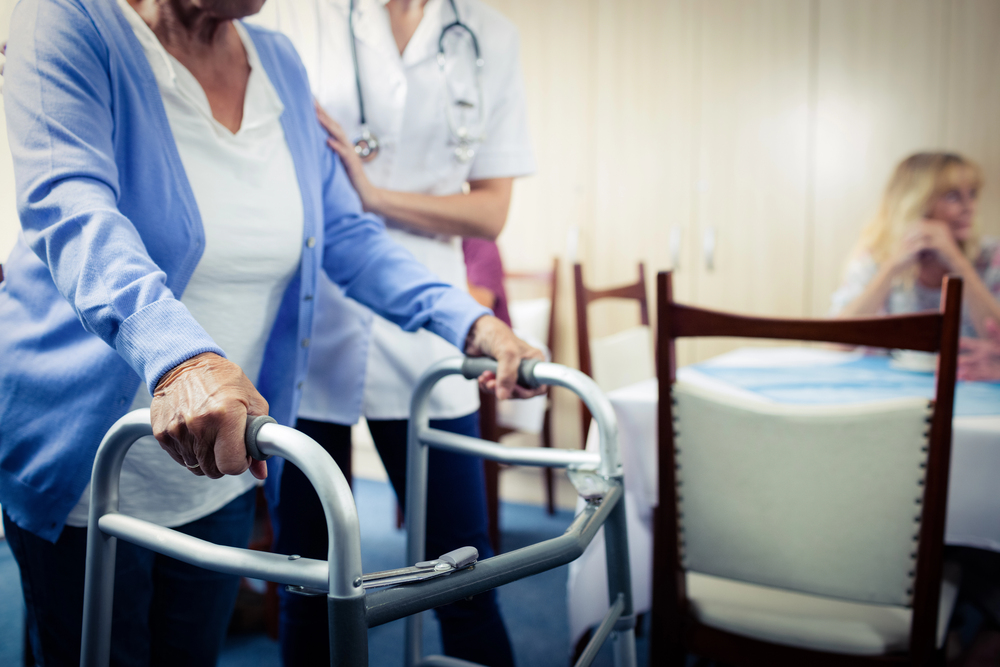
A hospital discharge does not always mean recovery is complete. For many older adults, the next step is just as important as the care they received in the hospital. After surgery, illness, injury, or a medical event such as a stroke, it is common to need added support before returning to normal routines.
That is where short-term rehab can make a meaningful difference.
At Riddle Village, our rehabilitation program is designed to help residents regain strength, improve mobility, rebuild confidence, and work toward greater independence after a hospital stay. Our team provides personalized therapy and support in a comfortable, community-centered environment, helping each person focus on recovery with the right level of care. We offer physical, occupational, and speech therapy, along with inpatient and outpatient options based on each person’s needs.
Why Someone May Need Short-Term Rehab After the Hospital
Leaving the hospital can feel like a relief, but it can also be a vulnerable time. Someone may be medically stable enough to leave acute care yet still not ready to safely manage daily life at home. They may need help walking, getting in and out of bed, bathing, dressing, managing pain, or rebuilding strength after a procedure or illness.
Short-term rehab is often recommended after joint replacement, a fall, a stroke, a serious infection, or another event that affects movement, balance, speech, swallowing, or daily functioning. Medicare explains that skilled nursing facility care is often used for short-term rehabilitation and medical treatment after hospitalization when a doctor determines that daily skilled care or therapy is needed.
In other words, rehab helps bridge the gap between hospital care and returning to everyday life.
What Short-Term Rehab Usually Includes
Short-term rehab is not one single service. It is a coordinated plan built around the person’s recovery goals.
At Riddle Village, our rehabilitation services may include:
- Physical therapy to improve strength, balance, walking, endurance, and safe movement
- Occupational therapy to support daily tasks such as dressing, bathing, and other routines
- Speech therapy when support is needed for communication, cognition, or swallowing
- IV infusion services
- Comprehensive wound care
- American Heart Association Skilled Nursing Facility Heart Failure Certification program adhering to clinical guidelines for skilled nursing facilities to provide high-quality patient care for heart failure patients
- Skilled nursing oversight and a supportive care environment
- Personalized treatment plans based on individual needs and progress
The National Institute on Aging also notes that nursing homes and skilled nursing settings may provide rehabilitation services such as physical, occupational, and speech therapy. These services can play an important role in helping older adults recover function after illness or injury.
What the First Days of Rehab May Look Like
For many families, one of the biggest questions is simple: what actually happens once someone arrives?
The first days of short-term rehab usually focus on assessment and planning. The care team reviews the person’s hospital discharge instructions, medications, current limitations, and immediate recovery goals. At Riddle Village, we take a tailored approach and assess each individual to support their rehab needs in the most effective way.
From there, therapy begins at the person’s pace and is based on their condition. Some people may start with walking short distances, practicing safe transfers, or working on balance. Others may focus on dressing, bathing, hand strength, speech exercises, or swallowing support. Recovery is rarely one-size-fits-all, which is why an individualized plan matters.
Just as important, rehab provides a setting where older adults can recover with guidance rather than trying to manage everything on their own too soon.
Inpatient vs Outpatient Rehab at Riddle Village
Not everyone needs rehab in the same way. Some people benefit from inpatient rehabilitation for a short period after a hospital stay, while others may continue therapy on an outpatient basis after returning home or transitioning to another level of care.
At Riddle Village, we offer both inpatient and outpatient rehab options. Our inpatient rehabilitation setting supports short-term recovery with around-the-clock care, skilled nursing rooms, and services that help people focus on healing. Our outpatient rehabilitation services can support longer-term progress for Riddle Village residents with one-on-one therapist support, access to therapy equipment, and continued work on mobility, balance, and independence.
This flexibility matters because recovery does not always end when someone leaves inpatient rehab. In many cases, progress continues over time with the right follow-up support.
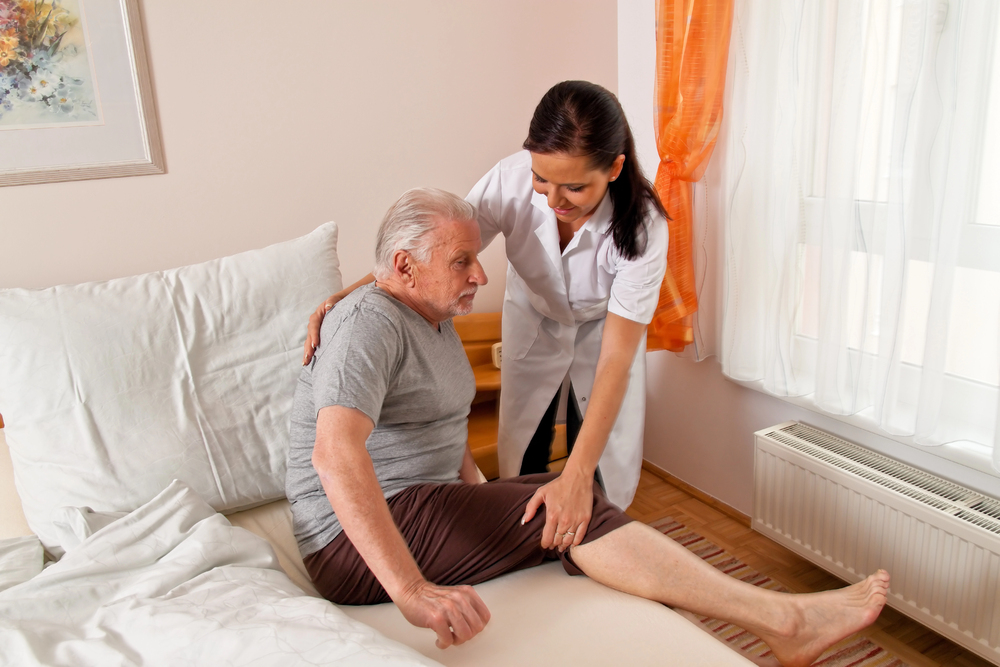
The Value of Recovering in a Community Setting
Recovery is about more than exercises and appointments. It is also about comfort, encouragement, and having the right environment around you.
One reason families consider short-term rehab in a retirement community is the added sense of support it can provide. At Riddle Village, rehab is part of a broader care environment that includes wellness-focused amenities, experienced professionals, and a community-centered approach. Our rehab page highlights advanced fitness equipment, therapy suites, and a team that collaborates to monitor progress and adjust care as needed.
That environment can be especially meaningful for older adults who may feel overwhelmed after hospitalization. The National Institute on Aging notes that social isolation and loneliness can affect health and well-being in later life. A supportive setting can help people feel more engaged and encouraged as they recover.
Questions Families May Want to Ask
When considering short-term rehab after a hospital stay, families often want clarity on a few key points:
- What therapies are recommended right now?
- How much assistance is needed each day?
- Is inpatient rehab the best next step, or is outpatient care enough?
- What goals should be reached before returning home?
- How will progress be evaluated?
- What follow-up support may be needed after rehab?
These questions can help families make a more informed decision and feel more confident about the next phase of care.
A Smoother Path Forward After the Hospital
Recovery after a hospital stay can feel uncertain, but the right rehab setting can make the transition much smoother. Rehabilitation gives older adults the chance to regain strength, rebuild daily function, and move forward with greater confidence.
At Riddle Village, our rehabilitation program is built to support that next step with personalized therapy, skilled care, and a welcoming community environment. If you or a loved one is preparing for life after a hospital stay, our team is here to help you understand your options and find the right path to recovery. Learn more about our rehabilitation services or contact us to speak with our team.
FAQs About Senior Rehab at Riddle Village
How long does rehab usually last?
The length of rehab depends on each person’s condition, recovery goals, and progress. Some people may only need rehab for a short period after surgery or illness, while others may need more time to rebuild strength, mobility, or daily living skills.
What therapies are offered during rehab at Riddle Village?
Rehab services at Riddle Village may include physical therapy, occupational therapy, and speech therapy. These services are designed to help patients improve movement, regain daily function, and work toward a safer return to everyday life.
Who may benefit from rehab after a hospital stay?
Older adults recovering from surgery, stroke, a fall, joint replacement, illness, or another medical event may benefit from short-term rehab. It can be especially helpful for those who are well enough to leave the hospital but still need added support before going home.
What is the difference between inpatient and outpatient rehab?
Inpatient rehab involves staying in the community for a period of recovery while receiving therapy and skilled care. Outpatient rehab at Riddle Village is for our residents who may live in Independent Living, Personal Care, or Skilled Nursing to participate in scheduled therapy sessions.
How does rehabilitation help with the transition home?
Short-term rehab helps patients rebuild strength, improve balance, practice daily tasks, and gain confidence before returning home. It can make the transition smoother by giving people the support they need to recover in a safer, more structured setting.
Sources:
- Medicare. (n.d.). Skilled nursing facility care. U.S. Department of Health & Human Services. https://www.medicare.gov/coverage/skilled-nursing-facility-care
- Medicare. (n.d.). Skilled nursing facilities. U.S. Department of Health & Human Services. https://www.medicare.gov/providers-services/original-medicare/skilled-nursing
- National Institute on Aging. (2023, October 12). Long-term care facilities, assisted living, nursing homes, and other residential care facilities. U.S. Department of Health and Human Services, National Institutes of Health. https://www.nia.nih.gov/health/assisted-living-and-nursing-homes/long-term-care-facilities-assisted-living-nursing-homes
- National Institute on Aging. (2024, July 11). Loneliness and social isolation, tips for staying connected. U.S. Department of Health and Human Services, National Institutes of Health. https://www.nia.nih.gov/health/loneliness-and-social-isolation/loneliness-and-social-isolation-tips-staying-connected